

Latest

Weekly Report 27.04.26
All Assets Snapshot · 26 April 2026
FREE EDITION
This Week Across All Asset Classes
Issue #17 · 26 April 2026 · Free Snapshot · capitalflowdynamics.com
NOT INVESTMENT ADVICE · INFORMATIONAL AND EDUCATIONAL PURPOSES ONLY
Where Things Stand26 April 2026
S&P 500
7,165
▲ New all-time high
Second consecutive week at an

The Hidden Risks of Options
(What Most Traders Learn Too Late) Part 3
Options are powerful.
But that power comes with trade-offs.
And most of the risks are not obvious at first.
The Biggest Risk: Time Decay
Options lose value over time.
Even if nothing happens.
This is called time decay.
Every day that passes:

How Options Are Priced
(It’s Not Just About Direction) Part 2
Most beginners think options are simple:
If the stock goes up, a call makes money.
If it goes down, it doesn’t.
But that’s incomplete.
Because options are not just about direction.
They are about probabilities and expectations.
What You’re
What Stock Options Really Are
(And Why They’re So Powerful) Part 1
Most people hear “options” and think one thing:
Risk.
Complexity.
Speculation.
Something traders use.
But at their core, options are much simpler.
They are just contracts.
The Basic Idea
A stock option gives you the right — but not the obligation — to buy

How to Value Stocks
(And Why Most Investors Get It Wrong)
Most investors ask the same question:
“Is this stock cheap or expensive?”
It sounds simple.
But answering it properly is one of the hardest parts of investing.
Because a stock price on its own tells you almost nothing.
What matters is how that

Why the Market Moves Before the News
(And What That Means for You)
Most investors wait for confirmation.
They wait until things look clear.
Until the data improves.
Until the headlines turn positive.
It feels rational.
But in markets, that approach usually leads to one outcome:
You’re late.
Markets Don’t Wait — They Anticipate
The market

What Actually Moves Markets Day to Day
(It’s Not What You Think)
Ask most people why markets move, and you’ll hear the same answer:
“News.”
Earnings. Economic data. Headlines.
And while those things matter, they don’t explain most day-to-day price movements.
Because markets don’t just react to information.
They react to positioning and

Who Really Controls Oil (Part 3)
(And Why It Matters for Markets)
If you’ve followed oil so far, one thing is clear:
It’s not just a commodity.
It’s a system.
And like any system that matters globally, it’s shaped by power.
Because oil isn’t just about supply and demand.
It’s

How Oil Prices Are Actually Set (Part 2)
(It’s Not Just Supply and Demand)
Most people think oil prices are simple.
If supply goes up, prices fall.
If demand rises, prices increase.
That’s true — but it’s only part of the story.
Because in reality, oil prices are shaped by a system that includes producers, financial

Why Oil Prices Matter More Than You Think (Part 1)
Most people don’t pay much attention to oil prices.
It feels distant.
Something for economists or energy analysts.
But in reality, oil is one of the most important variables in the global economy.
And once you understand how it works, you start to see its influence everywhere.
Oil Is

The Illusion of “Safe Investing”
(And When It Fails)
Most investors want the same thing:
To protect their money.
So they make decisions that feel safe.
They hold cash.
They avoid volatility.
They wait for uncertainty to pass.
On the surface, that seems reasonable.
But in investing, what feels safe isn’t always safe.
And
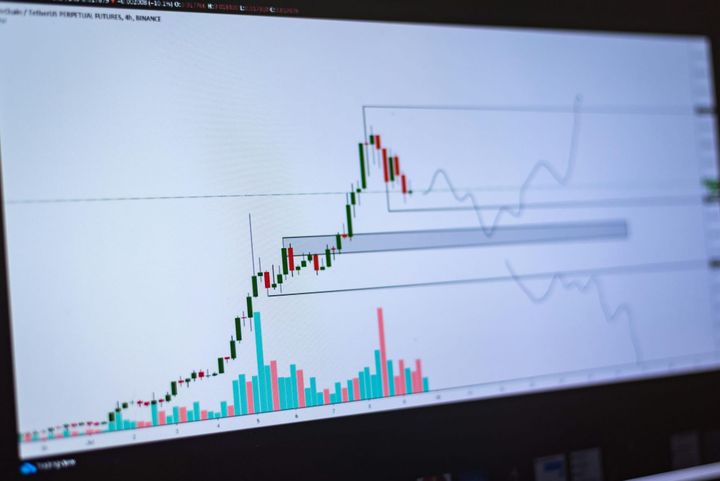
Why Liquidity Drives Markets More Than Earnings
Most investors think markets move because of earnings.
Companies grow. Profits increase. Stocks go up.
It sounds logical.
But it’s not the full picture.
Because in reality, markets are driven less by earnings — and far more by liquidity.
And once you understand that, a lot of market behavior starts
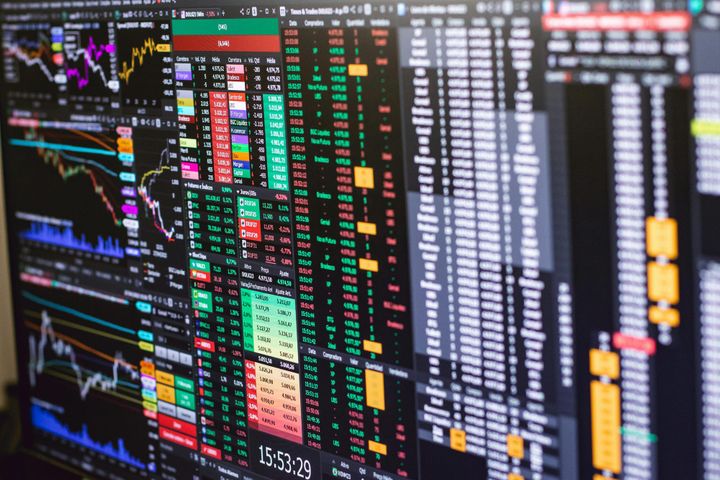
The Most Important Number in Markets (And Why It’s Interest Rates)
There’s no shortage of data in markets.
Inflation. GDP. Earnings. Employment.
Every week brings new numbers, new headlines, new narratives.
But if you had to focus on just one variable — the one that influences almost everything else — it would be this:
Interest rates.
Why Interest Rates Matter So Much