Why Most People Misread the Economy (And Pay for It Later)
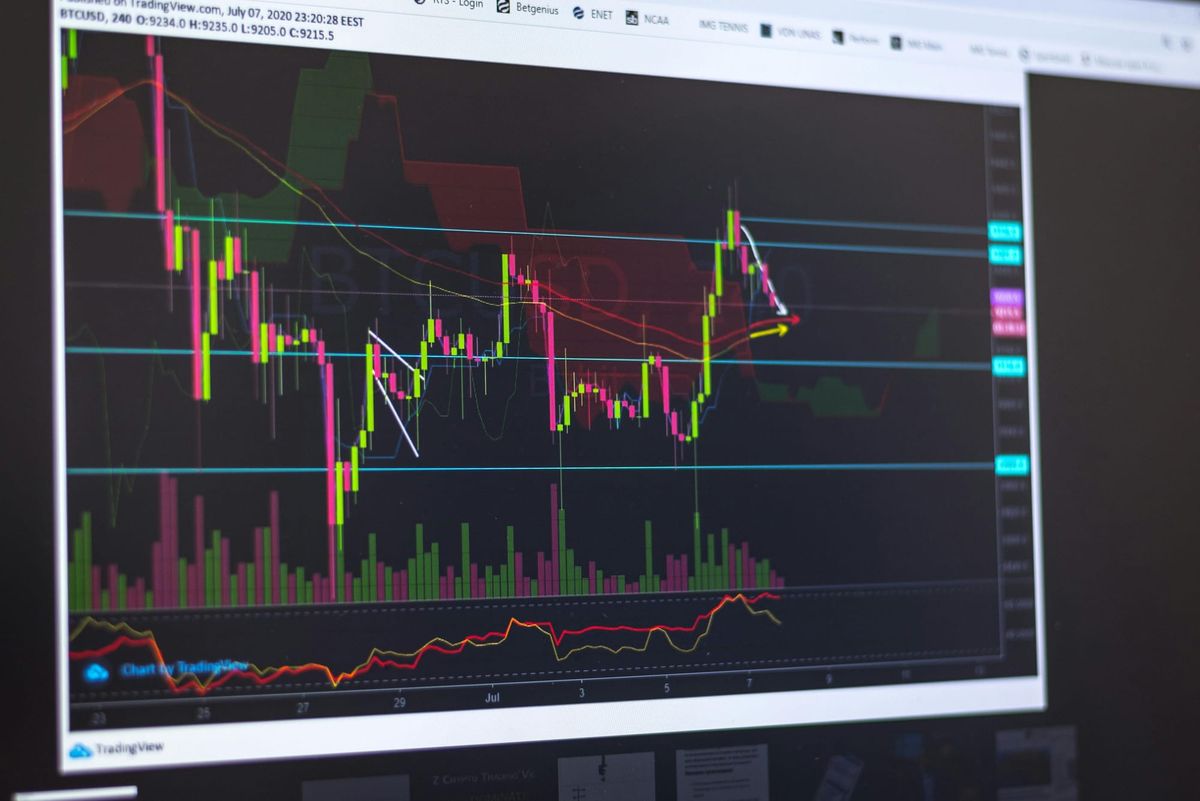
Most people don’t misunderstand the economy because they’re uninformed.
They misunderstand it because they’re looking at the wrong signals.
They follow headlines.
They react to short-term moves.
They interpret complex systems through simplified narratives.
And over time, that misunderstanding becomes expensive.
Not immediately — but gradually, through missed opportunities, poor timing, and avoidable mistakes.
The Problem: We Learn Macro Too Late
For most people, macroeconomics only becomes relevant after something goes wrong.
- Markets crash
- Inflation spikes
- Interest rates rise
- Job security feels uncertain
Only then do they start asking questions.
But by that point, the environment has already shifted.
The cost of misunderstanding macro isn’t just confusion — it’s being late.
Headlines Are Not the Economy
Financial media is designed for attention, not accuracy.
It simplifies:
- “Markets fall on recession fears”
- “Stocks rise on optimism”
- “Inflation shocks investors”
But markets don’t move because of headlines.
They move because of:
- Liquidity
- Interest rates
- Expectations
For example:
In 2022, inflation didn’t suddenly appear.
It built over time — through stimulus, supply constraints, and demand recovery.
By the time it dominated headlines, central banks like the Federal Reserve were already forced into aggressive tightening.
Markets had already started adjusting.
Those relying on headlines were reacting.
Those understanding the system were positioned earlier.
The Lag That Costs You Money
One of the biggest misconceptions:
People assume economic changes happen in real time.
They don’t.
There is always a lag between:
- Policy decisions
- Economic impact
- Market pricing
Example:
When the Fed raises rates, the full effect can take 12–18 months to filter through the economy.
But markets don’t wait.
They price the expected outcome immediately.
This is why:
- The S&P 500 often bottoms before recessions officially end
- Markets can rally while economic data still looks weak
If you rely on visible data alone, you are structurally behind.
The Illusion of “Safe” Decisions
Many financial mistakes come from decisions that feel safe.
Holding cash.
Avoiding volatility.
Waiting for certainty.
But macro changes what “safe” actually means.
In 2022:
- Inflation in the US reached ~9%
- Cash yielded close to 0–1%
The result:
→ A guaranteed loss in real terms
At the same time:
- Asset prices were adjusting
- Opportunities were forming
But many stayed on the sidelines — waiting for clarity that only comes after the move.
Why Early Understanding Changes Everything
Understanding macro early doesn’t mean predicting perfectly.
It means recognizing:
- What environment you’re in
- What is driving markets
- What is likely to matter next
That shift alone changes behavior:
Instead of reacting → you prepare
Instead of chasing → you position
Instead of guessing → you interpret
Over time, this compounds.
The Pattern Most People Miss
Across cycles, the pattern repeats:
- Liquidity expands → risk assets rise
- Inflation builds → policy tightens
- Markets reprice → volatility increases
- Conditions stabilize → new opportunities emerge
This isn’t random.
It’s structural.
Yet most people experience it as a series of surprises.
Because they never learned to see the system early.
The Real Cost of Misreading the Economy
It’s not one big mistake.
It’s a series of small ones:
- Entering markets too late
- Exiting too early
- Holding the wrong assets for the current regime
- Misjudging risk because the environment changed
Individually, these decisions seem reasonable.
Together, they compound into underperformance.
Final Thought
The economy doesn’t punish ignorance immediately.
It does it slowly, over time.
Through missed context.
Delayed reactions.
And decisions made without understanding the environment.
Most people only start learning macro when they feel the consequences.
By then, the advantage is gone.
If you understand it earlier, you don’t just react better.
You operate differently from the start.
Want to Go Deeper?
If you want to move beyond headlines, I publish a weekly macro and market deep dive — focused on liquidity, policy, and positioning.
The goal is simple: understand what’s actually driving markets, and what it means before it becomes obvious.
Subscribe to receive the full report each week.